The Unsung Component Behind Modern Drone Performance
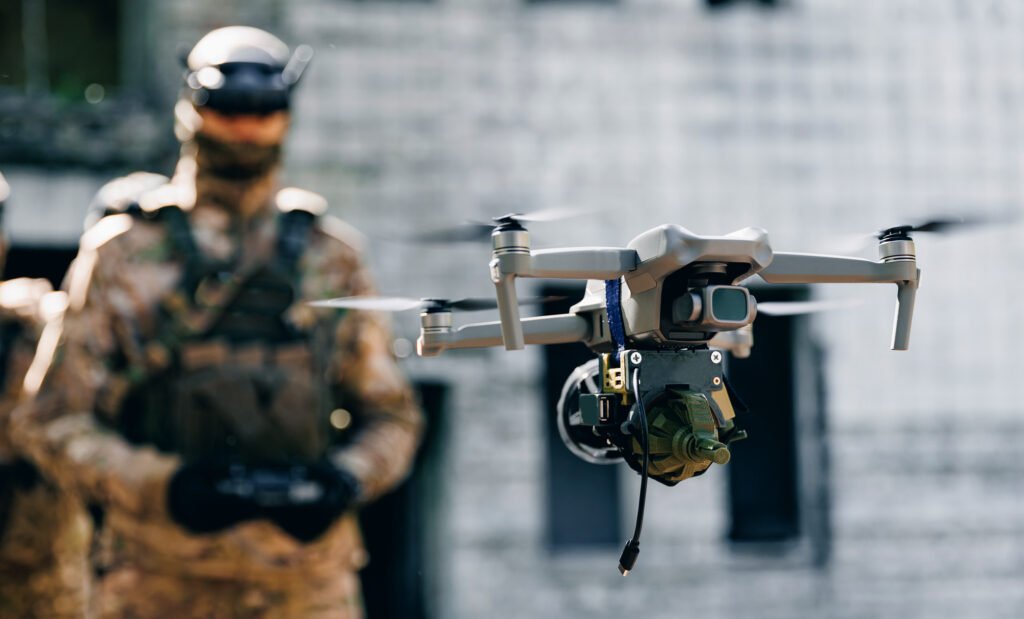
Drones soak up plenty of attention these days. Folks rave about the cameras, the battery life, the slick flight controls. Meanwhile, one part does a mountain of work and hardly ever gets a nod. It’s the propeller. Up top it spins, small and plain, looking like nothing special. Yet it shapes just about everything about how a drone flies.
The Little Blade With a Big Job
A propeller looks basic. That’s a trap. Those spinning blades grab the air and turn plain motor power into real motion. Strip away a good one and even the flashiest drone just sits there humming to itself. Blade shape carries enormous weight. A gentle curve, a specific angle, an exact length. It dictates the drone’s lift and smooth ascent. Designers focus on these details because minor changes significantly affect the flight.
Speed, Lift, and Keeping Things Quiet
Propellers steer far more than liftoff alone. They shape how fast a drone darts across the sky and how long the battery keeps going. A well-made propeller carves through the air clean and barely wastes a drop of energy. A clumsy one wrestles the air and empties the battery quickly.
Read More: The Thrill of the Unknown: Why Hidden Finds Still Capture Our Imagination
Then there’s noise. Some propellers screech like a furious hornet. Others hush along, barely making a sound. Drones that need to stay under the radar treat quiet blades as a genuine advantage. So designers hunt for that rare spot where speed, lift, and silence all line up together.
Why the Material Makes or Breaks It
What you build a propeller from changes the whole story. Cheap plastic blades warp and bow under stress. They crack with little fuss and slowly lose their shape. Good enough for a backyard toy, sure. But serious drones ask for something far sturdier. Advanced composites really shine here. These materials stay light and hold their form even under brutal spinning force. A composite blade maintains its precise form at extreme velocities, resulting in more stable and secure flight. The drone’s light weight extends its flight time.
The Craft Behind the Spin
Building a top-notch propeller takes more brainpower and craft than most people would ever guess. Each blade has to match its siblings dead on. Let one blade run even a smidge heavier than the rest, and the whole drone shakes and shudders. That wobble grinds down parts and wrecks performance.
The companies that nail this craft pull ahead of the crowd. Aerodine Composites is one such name, often mentioned among the best UAVs propeller manufacturers for the care they pour into their work and their deep feel for advanced materials. They turn out blades that spin true and hold together under conditions that would chew up lesser parts. That kind of skill hands drone builders exactly what they need to make machines that people trust.
Built to Take a Beating
Drones lead rough lives. They fight gusty winds, sudden temperature swings, and the occasional bone-rattling landing. A flimsy propeller taps out fast under all that abuse. A strong one keeps right on spinning, day after day. Toughness saves money and hassle. Long-lasting blades result in decreased replacements and fewer unpleasant surprises while airborne. Rugged propellers offer excellent long-term value.
Conclusion
The propeller might be the quietest hero in the entire drone story. It shapes speed, lift, battery life, noise, and safety, all while spinning away without so much as a thank you. So the next time a drone glides smooth and easy over your head, sneak a look at those blades doing their steady work. They’re proof that now and then the smallest, plainest-looking part is the very one that matters most.