Credit Card Cashback: How It Works and What to Check Before Applying
The “5% back” feature seems to be an easy choice from the marketing page of the credit card. Usually, it is not so. This figure does not give you any information until you get acquainted with all the details about the credit card cashback: in which categories the rate is provided, the limit per billing cycle, etc.
What cashback actually is
A cashback is a rebate linked to qualifying purchase. The rebate could be credited as a statement credit, wallet balance or voucher from the issuer, and usually appears on the statement after it is issued. The important part of “qualifying purchase” is the believed rate that would only be valid on transactions included in the calculation by the issuer.
A few cards offer just the flat rate on everything. Some give more on first department store or Amazon spending or certain categories such as dining and groceries and less elsewhere, while tiered cards will award increasingly generous bonus rates as you spend more. Most also have a limit on how much you can earn in a billing cycle. Thus, the headline rate is less relevant than your “effective rate”: what you really earn, as a share of what you spend, once exclusions, caps and fees are taken out.
Where the value leaks
The exclusions will differ between issuers, meaning that this does not hold true for all cards. Payments towards bills, wallet reloads, cash withdrawals, rent payments, petrol, taxes, EMI, and other types of transaction will earn a lower percentage or zero points back. If you return an item purchased using the card, then the cash-back earned from this purchase can be forfeited. The entire list can be found in the terms of the card, which should be disclosed to you in the form of MITC.
Then there’s the credit card surcharge, which happens at the till rather than on your statement. This is a charge placed on top of the purchase by the merchant, in addition to the charge by your credit card company. Be sure to look at the final figure before making payment. With a surcharge of 1%, coupled with 1% cash back, you end up with nothing.
Cashback or travel rewards?
A travel rewards credit card works differently. Basically, you collect points/miles and redeem them for flights, hotels, or even partner transfers. The cash back is easy to value since there is no need for conversion. The person who travels frequently and does well with redeeming them gets better rewards compared to the one using a travel credit card. Limitations can reduce the value and even annual charges can affect both calculations. You should pick a card that suits your real spending habits rather than the higher rate offered.
Before you apply
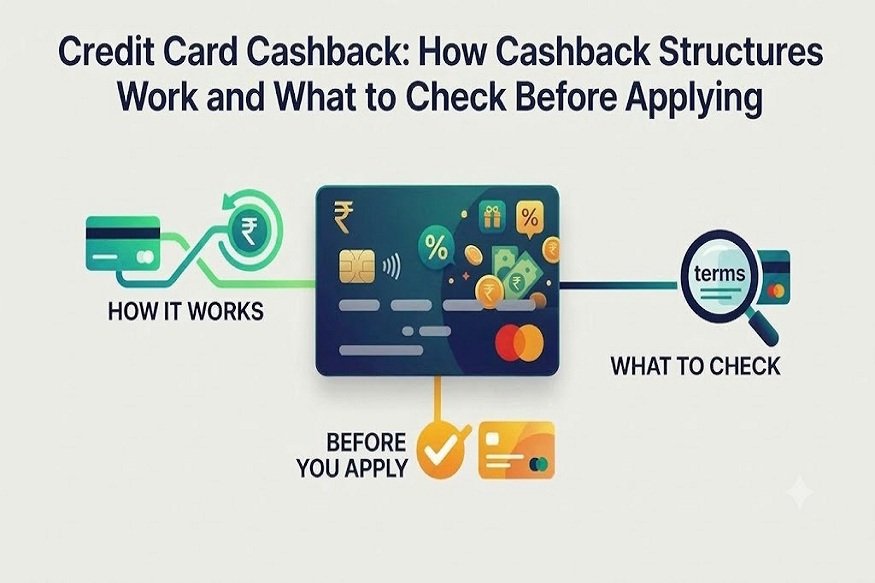
Go through three components in terms of the issuer at the present time.
- Income: Is it flat rate, tiered, or promotional, what kind of purchases are eligible for the reward, and is there any cap on it, and what is the minimum spending?
- Costs: Annual membership fee, conditions for waiving of fees (you should expect a waiver only if you normally spend up to that amount), interest, fees for the lateness in payment, and foreign exchange fees.
- Daily usage: How cashback is accrued, how much time it takes, does it expire, and how the issuer can vary the benefits.
Who it suits
If you always pay off your credit card balance at the end of each month, the cash back card might be for you. The cash back card app will probably not suit you well if you always carry an unpaid balance and shop primarily in the general categories, including traveling.
This kind of card works only on purchases that you were planning to make anyway. If you earn 2% rewards for something you would never have bought otherwise, then you are losing out on 98%. The other thing to remember is that interest is always the bigger risk.
The takeaway
The best card you can get is not the one with the most eye-catching advertised percentage. What‘s important is showing you the net figure after terms, caps and charges, compared with your own expenditure and your repayment history. Crunch the numbers for your real monthly spend, and treat cashback as a small ‘insulted’ premium. Regulations and card terms vary, so check the latest RBI guidance and your issuer‘s terms.