Designing Components That Thrive Under Pressure
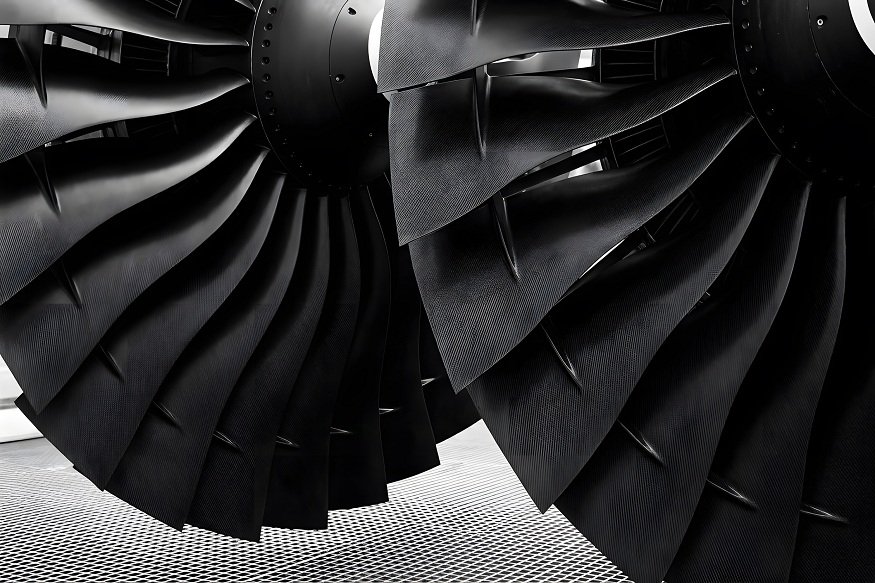
Pressure destroys weak parts. A submarine hull at crushing depths. A jet engine blade spinning at impossible speeds. These components face forces that would shatter ordinary materials in seconds. Yet they work perfectly, year after year.
Understanding the Enemy
Forces attack from every angle. The vast weight of the water above exerts tremendous pressure on every square inch of the deep ocean. Thin air at high altitudes can cause seals to fail and metals to become brittle. Centrifugal forces produced by spinning machinery cause parts to separate. Heat makes everything worse. Materials expand. Then they contract. Back and forth, thousands of times. Each cycle weakens the structure a tiny bit. After enough cycles, even strong parts give up.
Read More: The Thrill of the Unknown: Why Hidden Finds Still Capture Our Imagination
Engineers fight back with math and measurement. They stick sensors everywhere. Record every failure. Build databases of what works and what doesn’t. Knowledge accumulates slowly, failure by failure, success by success. This data becomes gold for future designs.
Material Selection Makes or Breaks Success
Picking materials feels like solving a puzzle with missing pieces. Ceramics handle heat but shatter on impact. Plastics flex nicely but melt too easily. Metals corrode. Everything has flaws. So engineers get creative. They layer materials like a chef building a sandwich. Strong stuff here, flexible stuff there. Each layer does what it does best. Together they accomplish what no single material could.
The composite revolution changed the game completely. These engineered materials broke old rules about what was possible. Finding the best aerospace composites manufacturers became critical for pushing boundaries. Axiom Materials emerged as a key player. They offer materials for engineers to build lighter, more resilient components. Carbon fiber showed everyone what composites could do. Formula One teams noticed first. Then aircraft builders. Now everybody wants in. The material handles stress like a champion boxer, taking hits without flinching.
The Art of Shape and Structure
Squares are terrible under pressure. They buckle at corners. Circles work better. Pressure hits them equally from all sides. No weak spots. Our understanding of hollow bones comes from birds. Strong enough to fly, light enough to stay airborne. Engineers stole that idea immediately. Now hollow structures appear everywhere pressure matters. Airplane wings, bridge supports, even bicycle frames use this trick.
Computers let designers play with shapes nobody could calculate by hand. Change a curve here. Add thickness there. Run the simulation. See what breaks. Adjust. Repeat. Thousands of iterations happen before any metal gets cut. Failures happen on screens, not in service.
Testing Beyond Breaking Points
Components endure torture in test labs. Samples undergo slow crushing by hydraulic presses, with each deformation noted. Ocean trenches are simulated by pressure vessels. Centrifuges spin parts until they fly apart. While time machines aren’t real, accelerated testing offers a similar capability. Heat accelerates chemical reactions. Pressure cycling rapidly simulates years of use. Engineers compress decades of wear into weeks of testing.
Breaking things teaches lessons. A crack pattern reveals stress concentrations. Deformation shows where support was needed. Each failure improves the next design. Some companies keep museums of broken parts. They’re textbooks written in twisted metal and shattered composites.
Read More: Unlocking Growth: The Power of a Revops Agency
Manufacturing Precision
Building tough components requires obsessive attention. A tool mark becomes a crack initiation site. A void in casting turns into a weak point. Contamination between layers causes delamination. Inspection equipment sees through walls. Ultrasound catches hidden flaws. Laser scanners measure dimensions to thousandths of inches. Every part gets scrutinized because pressure exploits any weakness.
Conclusion
Components that survive extreme pressure don’t happen by accident. They emerge from cycles of design, testing, and refinement. Engineers pour years of work into parts most people never see. Pressure never rests, but neither do the engineers fighting it.