
Understanding Loan Costs and Fees When Using a Personal Loan App
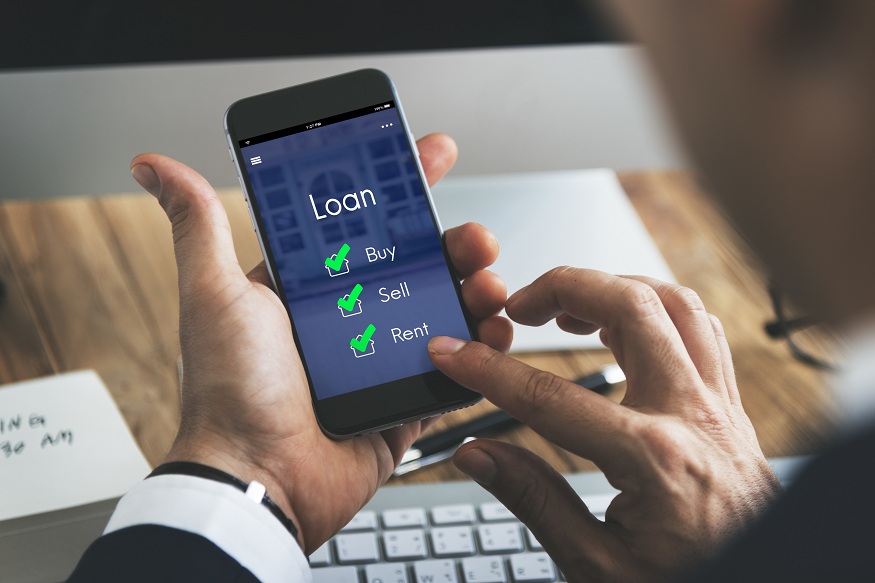
Digital finance has changed how we think about money. A few years ago, getting a loan meant visiting a bank and filling out stacks of paper. Today, you can apply for funds while sitting on your couch using a personal loan app. This speed is amazing, but it can also lead to hasty decisions if you do not look at the fine print.
While the convenience of these apps is undeniable, the cost of borrowing is not always as simple as the interest rate you see on the screen. There are various layers of fees and charges that can add up over time. Understanding these costs is the first step toward making a smart financial choice that fits your budget.
Read More : The Journey of a Loan: From Your Phone to Your Pocket
In this guide, we will break down the different types of expenses you might encounter. From processing fees to hidden penalties, knowing what to look for will help you use a personal loan app effectively without any nasty surprises later on.
Decoding the Interest Rate Structure
The most visible cost of any loan is the interest rate. This is the price you pay for using someone else’s money over a set period. When you use a personal loan app, the interest rate is often the first thing you see. However, it is important to understand how that rate is calculated and applied to your balance.
Fixed versus Variable Rates
Most digital lenders offer fixed interest rates. This means your monthly payment stays the same throughout the life of the loan. This stability makes it much easier to plan your monthly budget. You know exactly how much will leave your account each month until the debt is cleared.
On the other hand, some platforms might offer variable rates. These can change based on market conditions. While they might start lower than fixed rates, they carry the risk of increasing over time. If you are looking for predictability, a fixed rate is usually the safer bet when using a mobile platform.
Common Upfront Fees to Watch For
The interest rate is only one part of the total cost. Many borrowers are surprised to find that the amount they receive in their bank account is slightly less than the amount they borrowed. This is usually due to upfront fees that are deducted before the money is sent to you.
Processing and Origination Fees
The most common upfront cost is the processing fee, also known as an origination fee. This covers the administrative costs of verifying your application, running credit checks, and managing the digital infrastructure. This fee is typically a percentage of the total loan amount, usually ranging from one to five percent.
For example, if you borrow one thousand dollars and the app charges a three percent processing fee, thirty dollars will be taken out immediately. You will only receive nine hundred and seventy dollars, but you will still owe interest on the full one thousand dollars. Always check if this fee is a flat rate or a percentage so you can calculate the actual cash you will have on hand.
Documentation and Verification Charges
Some platforms may charge separate fees for document verification or digital KYC (Know Your Customer) processes. While many modern apps include this in the processing fee, others list it as a separate line item. These charges are often small, but they contribute to the overall cost of the loan. It is worth reading the fee schedule to see if these costs are one-time or if they recur.
Hidden Costs During the Loan Lifecycle
Once the money is in your account and you start making payments, other costs can appear. These are often triggered by specific actions or events. While you can avoid many of these by being a disciplined borrower, it is vital to know they exist.
Late Payment Penalties
Life happens, and sometimes a payment might be delayed. However, missing a deadline on a personal loan app can be expensive. Most lenders charge a late fee if the payment is not received by the due date. This can be a flat fee or a percentage of the missed payment.
Beyond the immediate financial cost, late payments can also hurt your credit score. Many apps report your payment history to credit bureaus. A single late payment can stay on your record for years, making it harder to get a loan in the future. Setting up automatic payments is the best way to avoid these unnecessary charges.
Prepayment and Foreclosure Charges
You might find yourself in a position where you want to pay off your debt early. While this sounds like a good thing, some lenders charge a prepayment or foreclosure fee. They do this because they lose out on the interest they would have earned if you had paid over the full term.
Before you sign the agreement, check if the app allows for penalty-free prepayments. Some platforms encourage early repayment as a sign of good financial health, while others use these fees to protect their profit margins. If you plan to pay off your debt quickly, look for a lender that does not penalize you for doing so.
Administrative and Miscellaneous Expenses
There are a few other costs that might not be immediately obvious. For instance, many regions require lenders to charge taxes on the fees they collect. This means your processing fee might be slightly higher once the local tax is added.
Another common charge is a bounce fee or a dishonored payment fee. If your bank account does not have enough funds when the app tries to withdraw your monthly payment, both the lender and your bank might charge you a fee. This can create a double penalty that makes a difficult financial situation even worse.
Some apps also offer optional services like credit monitoring or insurance products. While these can be helpful, they are rarely mandatory. Be careful not to accidentally opt-in to monthly subscriptions that increase your total monthly outflow without providing a direct benefit to your current debt.
Tips for Minimizing Your Total Borrowing Cost
The goal of using any financial tool should be to get the most value for the least cost. To keep your expenses low, start by comparing multiple apps. Do not just go with the first one that approves you. Look at the total cost of credit, not just the monthly payment.
Read More : Decoding Property Loans: How They Differ from Traditional Home Financing
Another tip is to borrow only what you need. It can be tempting to take a larger loan if it is offered, but you will pay interest on every dollar. Keeping the amount small and the term short will significantly reduce the total interest paid. Finally, always read the terms and conditions. It is boring work, but it is the only way to catch hidden fees before they catch you.
By staying informed and reading the fine print, you can make the most of the technology available today. A personal loan app is a powerful tool for managing your finances, provided you understand the true cost of the service. Being a savvy borrower means looking beyond the convenience and focusing on the long-term impact on your financial health.