Rear Loader vs Side Loader Waste Trucks Comparison
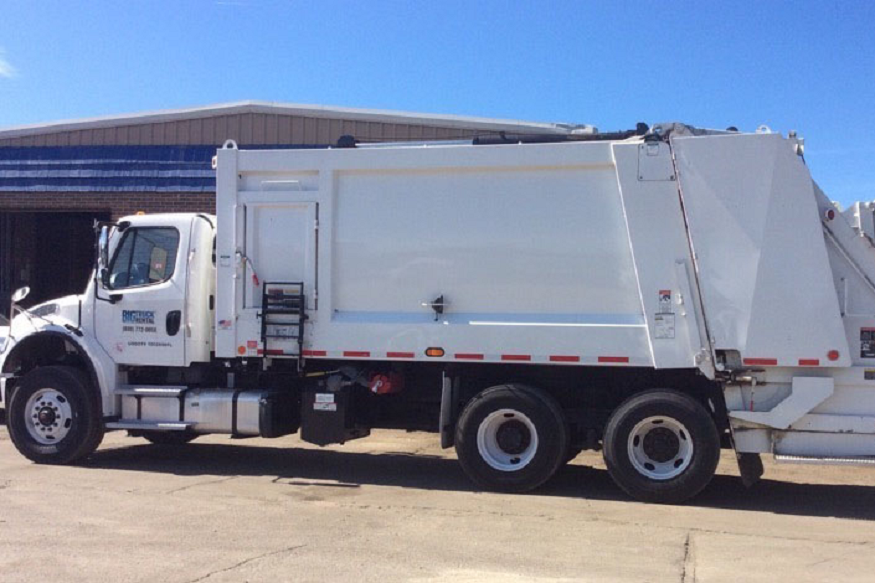
Choosing the right waste collection vehicle is crucial for municipalities, private waste contractors, and industrial facilities. Rear loader and side loader waste trucks are two of the most commonly used options, each with its own strengths and limitations. Understanding their differences helps operators select the most efficient and cost-effective solution for their collection needs.
Loading Method
Rear Loader Trucks: Waste is loaded manually into the rear hopper. Workers deposit trash, bulky items, or loose waste directly, and a hydraulic compactor compresses it into the storage body. This makes rear loaders versatile and suitable for mixed or irregular waste streams.
Read More : Decoding Property Loans: How They Differ from Traditional Home Financing
Side Loader Trucks: Waste is collected using an automated or semi-automated arm on the side of the truck. This system typically requires standardized bins for smooth operation. Side loaders are ideal for residential routes with uniform containers but less flexible for mixed or bulky waste.
Operational Efficiency
Rear Loaders: These trucks are efficient in urban and semi-urban areas with frequent stops. The manual loading process allows crews to handle varied waste types but may take slightly more time per stop compared to automated side loaders.
Side Loaders: Side loaders can reduce labor needs since one operator can manage the automated arm, picking up multiple bins quickly. They are highly efficient on routes with standardized containers and fewer bulky items.
Maneuverability
Rear Loaders: Compact and easier to maneuver, especially on narrow streets, alleys, and congested urban areas. Ideal for older neighborhoods or tight spaces.
Side Loaders: Generally longer due to the side arm mechanism. They are better suited to wider streets and planned residential areas with uniform bin placement.
Safety Considerations
Rear Loaders: Require crew members to work at the back of the truck, increasing exposure to traffic and operational hazards. Modern models mitigate risk with rear cameras, alarms, and emergency stops.
Side Loaders: Reduce worker exposure since the operator can often remain inside the cab during loading. Safety is higher for urban routes with consistent bin placement, minimizing pedestrian interaction.
Cost and Maintenance
Rear Loaders: Typically have lower initial costs and simpler mechanical systems. Maintenance is easier, and fewer electronics mean reduced downtime and repair expenses.
Side Loaders: Higher upfront costs due to automation and more complex components. Maintenance can be more expensive, particularly for hydraulic arms and automated systems. However, labor savings may offset some of these costs over time.
Load Capacity and Compaction
Rear Loaders: Excellent for high compaction of mixed waste, allowing trucks to carry more per trip. Ideal for heavy or bulky waste and mixed residential-commercial routes.
Side Loaders: Load capacity may be slightly lower, especially when handling irregular or bulky waste. Compaction is still effective but best suited for lighter, standardized residential trash.
Environmental Considerations
Both truck types can be equipped with alternative fuel engines (CNG, hybrid, or electric). However, rear loaders’ ability to carry more waste per trip can reduce the number of trips to disposal sites, lowering overall fuel consumption and emissions in mixed-use routes. Side loaders are more fuel-efficient on standardized residential routes with fewer stops.
Flexibility in Operations
Rear Loaders: Offer greater operational flexibility, suitable for mixed neighborhoods, industrial areas, and bulky waste pickup.
Read More : The Journey of a Loan: From Your Phone to Your Pocket
Side Loaders: Best for planned residential neighborhoods with uniform bins. Less adaptable to unpredictable waste streams or heavy industrial waste.
Conclusion
Choosing between rear loader and side loader waste trucks depends on route type, waste composition, labor resources, and operational goals.
- Rear Loader Trucks are ideal for mixed waste, urban areas with tight streets, and operations requiring high load capacity and flexibility.
- Side Loader Trucks are best for residential routes with standardized bins, fewer labor requirements, and faster automated collection.
Understanding these differences allows municipalities and waste contractors to optimize efficiency, safety, and cost-effectiveness in their waste management programs.