
The Visual Narrative: Building Trust on Houzz Through Design, Reviews, Leads, and Engagement
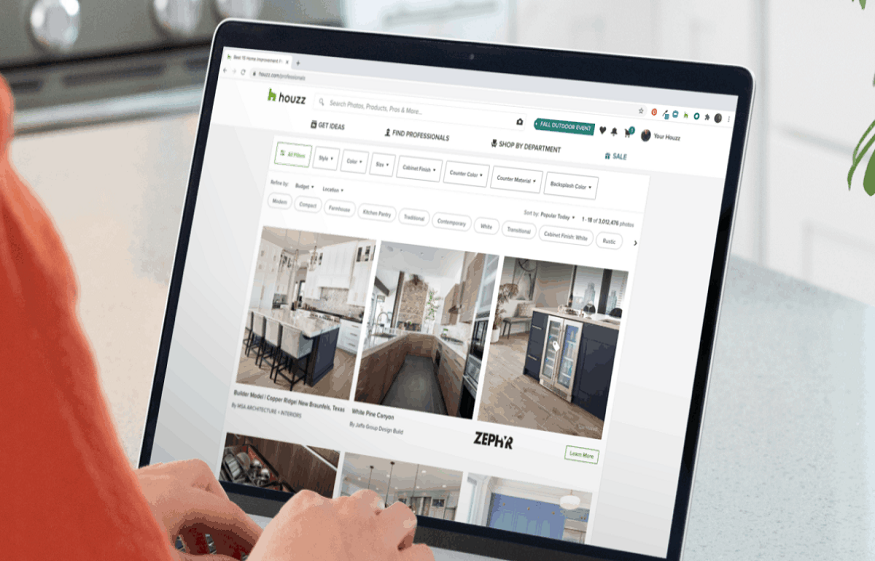
In the world of home renovation and design, the decision-making process for potential clients is intensely visual and highly personal. Homeowners are not just looking for a contractor or a designer; they are looking for a trustworthy partner who can transform their most intimate space. For professionals in the home improvement industry, platforms that bridge this gap between visual aspiration and hiring confidence are invaluable. Among these platforms, how to use houzz for marketing
stands out as a powerful ecosystem where visual storytelling is the fundamental currency for building trust, generating qualified leads, and securing long-term business success. It is a space where high-quality images, client endorsements, and active engagement weave a compelling narrative that converts casual browsers into paying customers.
Read More : How a SaaS Marketing Agency Can Transform Your Brand Presence
Houzz is essentially a massive, curated portfolio where design professionals—architects, interior designers, contractors, and landscapers—showcase their work to an audience actively seeking to hire them. The power of the platform lies in its structure, which demands authenticity and rewards transparency. Unlike general social media where content can be fleeting, every element of a professional’s profile on Houzz contributes directly to establishing credibility and demonstrating competence, creating a direct pathway from a beautiful photograph to a signed contract.
The Foundation of Trust: Visual Storytelling Through Projects
The absolute cornerstone of any successful Houzz profile is the quality and depth of its visual content. In the realm of home improvement, seeing is believing. Potential clients rely on high-resolution, professionally staged images to gauge a professional’s expertise, aesthetic range, and attention to detail.
A well-curated project portfolio tells a story. It should not merely display a finished room, but ideally, show a sequence: a before-and-after perspective, or a series of images that highlight key design decisions, craftsmanship, and problem-solving. Each image acts as a piece of evidence, demonstrating technical skill and the ability to execute a vision. When viewing a kitchen remodel, a homeowner wants to see the intricate joinery of the cabinets, the seamless installation of the countertop, and the careful selection of lighting. These visual details are crucial for overcoming the inherent anxiety associated with large-scale home projects. Furthermore, every image and project should be meticulously tagged with relevant keywords (styles, rooms, locations) so that the content is easily discoverable when a potential client searches for something specific, like “Farmhouse kitchen San Diego.” This discoverability is the first step in the trust-building journey.
Social Proof: Leveraging Reviews and Endorsements
Once the visual story has captured a client’s attention, their next step is almost invariably to seek social proof. In the home renovation industry, where project scopes are large and costs are high, testimonials from satisfied clients are the ultimate validator of quality and reliability. Houzz’s review system is specifically designed to maximize the impact of this social proof.
The key is not just the quantity of reviews, but their quality and specificity. Potential clients look for detailed reviews that address not only the final aesthetic outcome but also the process—communication, budgeting, adherence to schedule, and problem-solving during construction. Reviews that mention the project type, cost range, and the specific professional (e.g., “Our contractor John was excellent”) build far more trust than vague praise. Consistently high ratings and recent, detailed reviews signal to prospective clients that the professional is currently active, highly regarded, and reliable. Actively encouraging clients to leave detailed, honest reviews on Houzz is one of the most effective strategies for leveraging the platform’s trust mechanism.
Generating Qualified Leads: Targeted Visibility
The combination of strong visual storytelling and robust social proof is what allows a Houzz profile to move from mere browsing into lead generation. Houzz is designed to connect intent with action; users on the platform are typically serious about starting a project.
The platform provides multiple avenues for lead generation. The most direct is the “Contact Me” button on a profile, but professionals can also utilize Pro+ Marketing features to enhance their visibility in local search results. These paid options ensure that a firm’s portfolio appears prominently to homeowners searching within their specific geographic area and service category. Crucially, these leads are often highly qualified because the homeowner has already viewed the firm’s visual work, read their reviews, and confirmed they align with their budget and style preferences. This targeted visibility saves professionals time and marketing spend by focusing only on prospects who are already warmed up to their brand and aesthetic.
Conclusion: The Strategic Integration of Trust Elements
The success of a professional on Houzz is a masterclass in strategic integration. It is not enough to have beautiful work; that work must be presented with compelling visual narratives, validated by consistent, high-quality client reviews, and amplified through active, helpful engagement. These four pillars—visual projects, social proof, targeted leads, and continuous engagement—work synergistically to build the fundamental trust necessary in the high-stakes world of home renovation. By committing to this holistic approach, design and construction professionals can ensure their digital presence on Houzz translates directly into a robust pipeline of high-quality business, securing their reputation as reliable, skilled, and indispensable partners for homeowners everywhere.
Read More : Rear Loader vs Side Loader Waste Trucks Comparison